New agreement with laboratories across the region
Four reference laboratories join the validation of FluoTB under routine conditions.


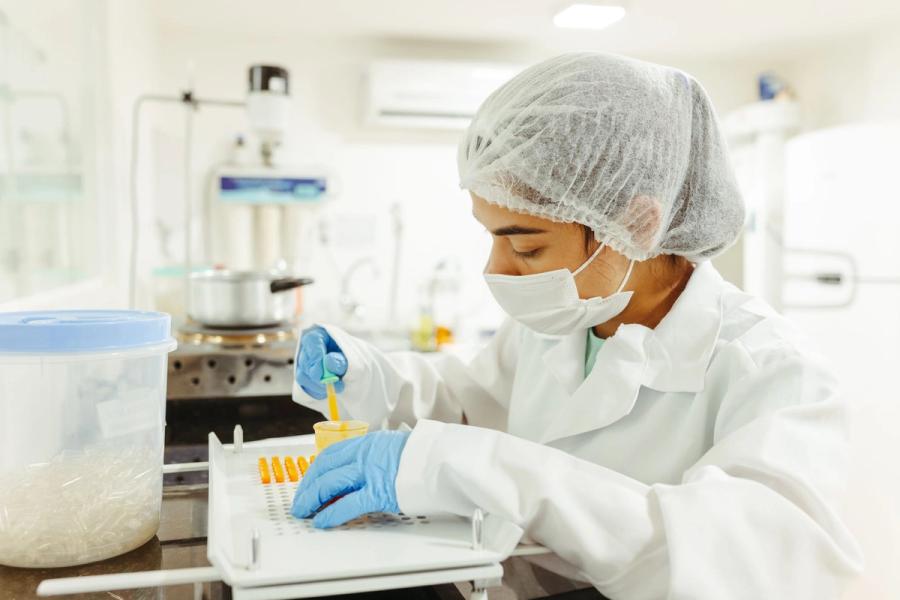
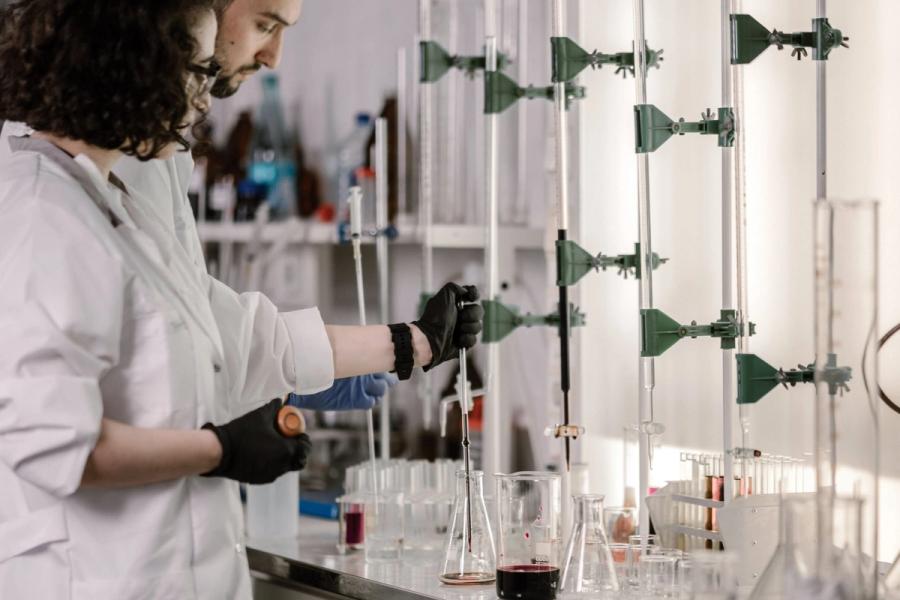
Four reference laboratories across the region are joining the validation of FluoTB. This is the step that separates an internal result from evidence others can audit, and it is also the most uncomfortable one: our assay will run under conditions we do not control.
Why four are needed
A single centre can validate that a method works. It cannot validate that it works in different hands, with different equipment and different volumes. That difference is exactly what separates a paper from a product.
The four chosen centres cover a deliberate range of contexts: two high-burden public hospitals, a provincial reference laboratory, and a private centre with lower volume but tighter turnaround requirements.
What gets measured
The protocol is identical across all four sites and measures three things, in order of importance:
- Agreement with reference culture on previously characterised samples.
- Real time-to-result, measured in laboratory routine rather than under ideal conditions.
- Invalid assay rate, the metric that most often degrades once you leave the test bench.
The number we expect to get worse
Our internal trial produced an average of 52 minutes and 96% agreement. It would be naive to expect the same figures here: routine work involves poorly preserved samples, interruptions, shift changes and shared equipment. If the result degrades slightly, the method remains useful. If it degrades badly, we need to redesign before submitting anything.
An assay that only works with our hands and our samples is not a product. It is a demonstration.
Timeline
Sample recruitment starts next month, with an interim analysis planned for year end. Results will be published in full, including the centres where performance is worst: an average that hides a bad site is useless to anyone who later has to run the instrument.