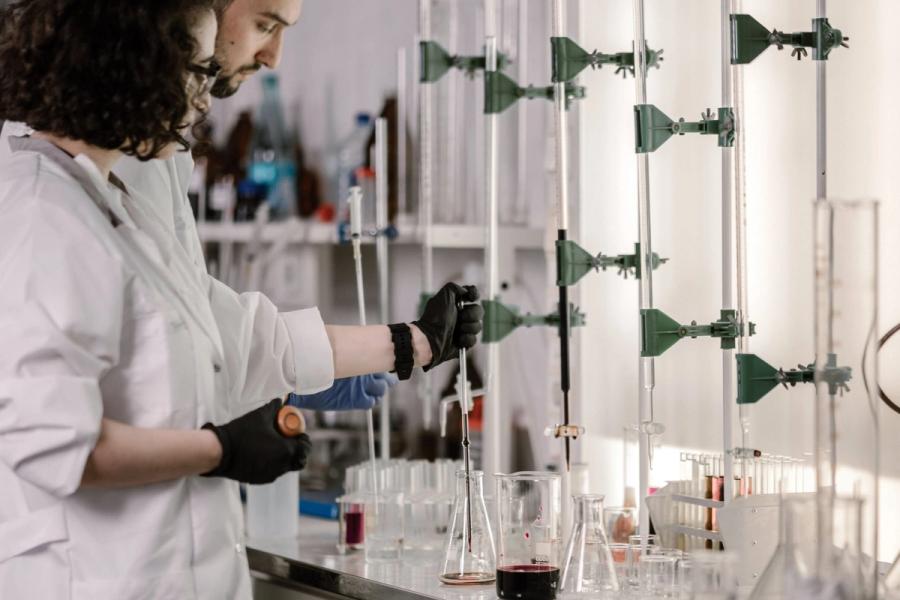
FluoTB detects resistant tuberculosis in under an hour
An internal trial on 240 clinical samples confirmed the system identifies rifampicin-resistant strains in an average of 52 minutes.

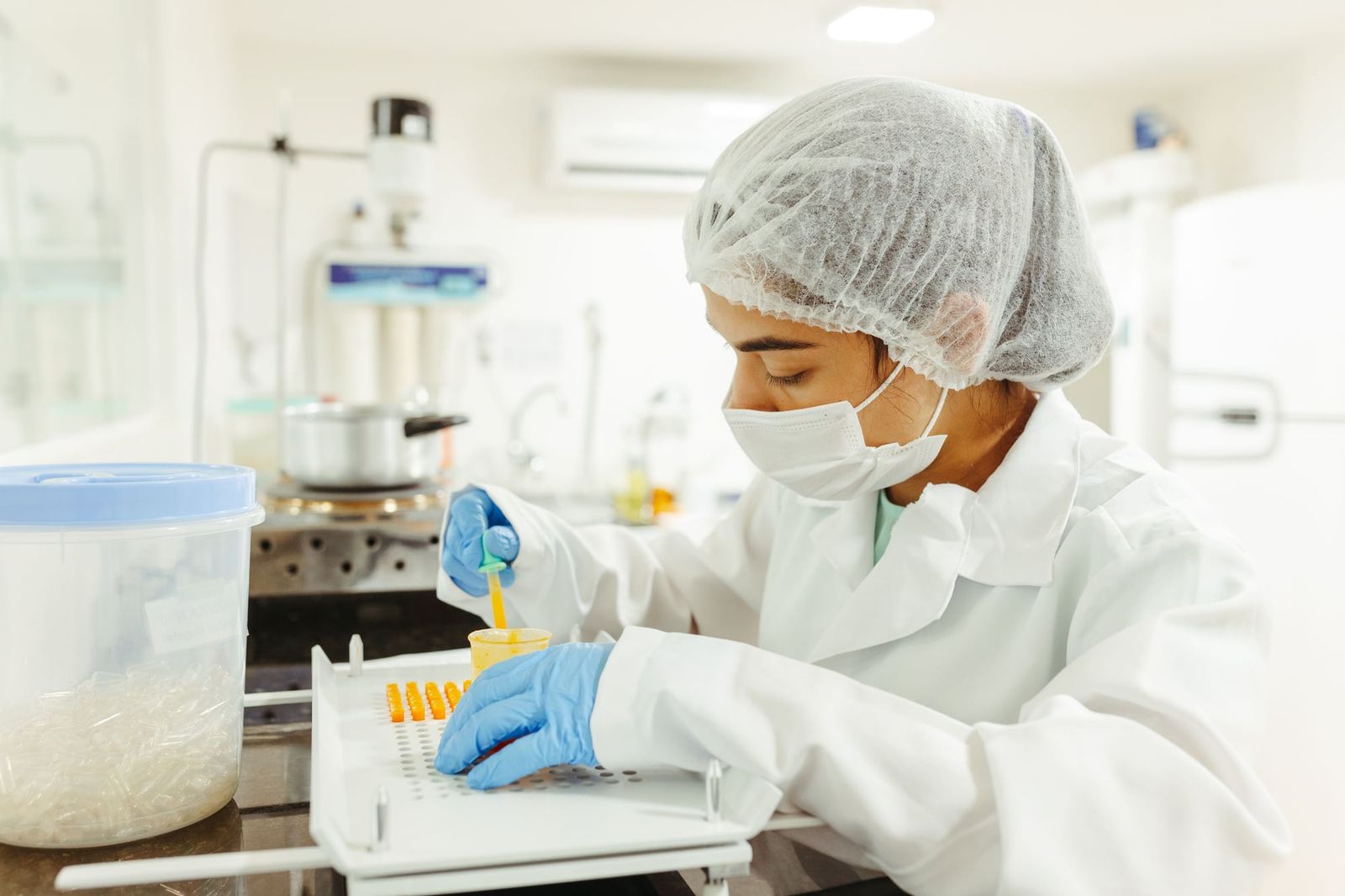
The trial we closed in June confirmed that FluoTB identifies rifampicin-resistant tuberculosis strains in an average of 52 minutes, across 240 previously characterised clinical samples. The comparison was against reference culture, the method that currently defines ground truth in this field.
The problem it solves
Antibiotic resistance is what makes tuberculosis slow. A traditional culture needs two to six weeks to tell whether a strain responds to rifampicin. In that time the patient has already started a treatment that may not work, and if it does not work, beyond failing to improve, it also helps select for more resistance.
Shortening that wait is not a convenience improvement. It changes which treatment a person receives in the first week.
How it works
The mechanism is the one we have described from the start: reporter phages only replicate inside living bacteria, and that replication produces a fluorescent signal that can be read directly.
If the antibiotic worked, there is no living bacterium; with no living bacterium there is no replication; with no replication there is no signal. There is no need to wait for a visible colony to grow to know the result — only for the phage to have somewhere to replicate, or not.
The numbers
Across 240 samples, against reference culture:
- Time to result: 52 minutes on average, with a maximum of 71 minutes.
- Overall agreement with culture: 96%.
- Invalid assays due to insufficient signal: 3.3%.
The limitations, stated plainly
These results are internal and have not yet undergone external review. They were run on previously characterised samples — meaning we knew the answer — and in our own laboratory, with our own staff. Neither of those conditions holds in a routine laboratory.
A 96% on the test bench is a hypothesis about what will happen in routine use, not a promise.
What comes next
The next step is repeating the trial across the four laboratories in the regional network, where conditions are considerably less tidy. Only with that data does talking about a regulatory submission make sense.