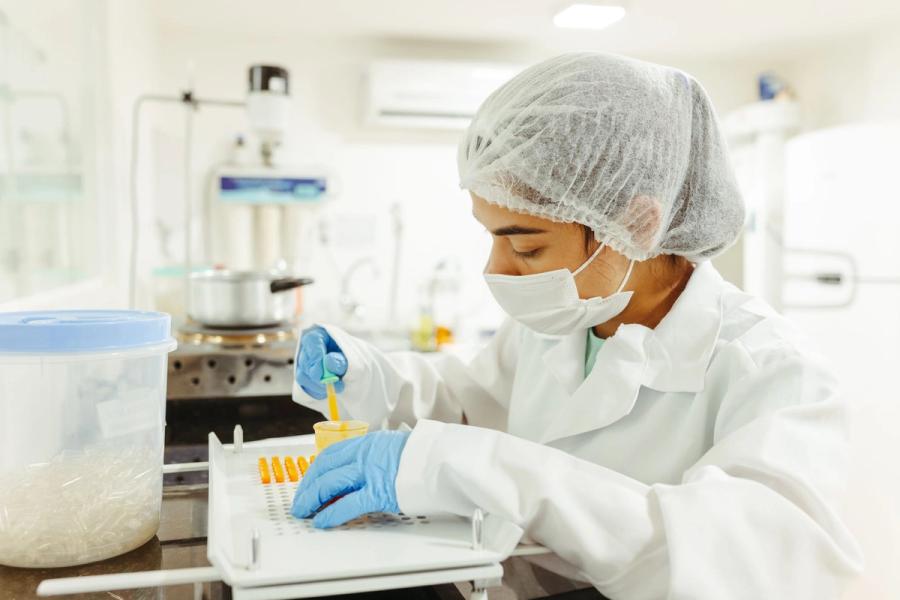
We open our phage production laboratory in Montevideo
An in-house facility to produce the reporter phages FluoTB relies on, ending our dependence on imported batches with six-week lead times.

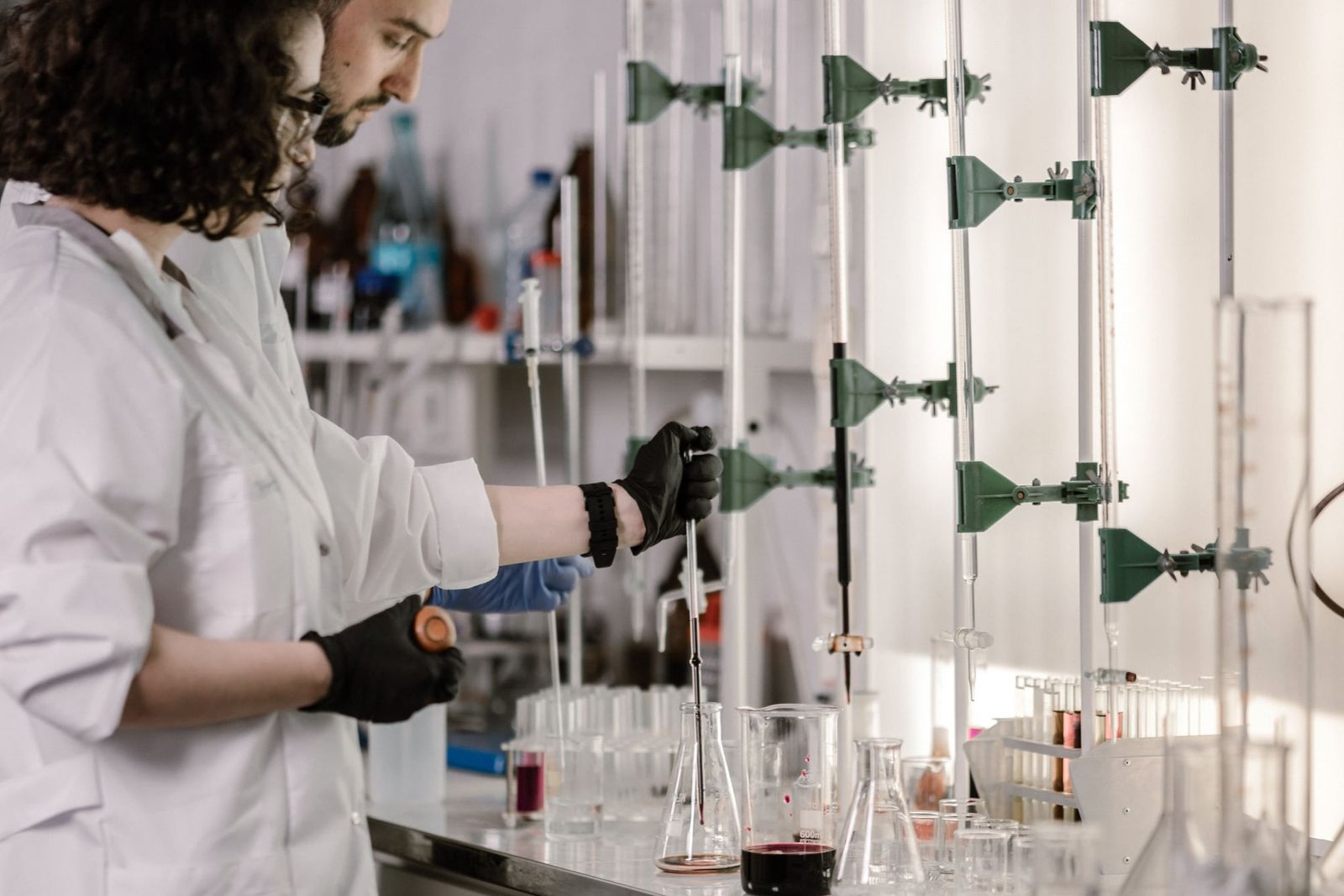
We have opened our own phage production laboratory in Montevideo. It is 180 square metres that solve a very concrete problem: until now, every batch of reporter phages arrived imported, with a six-week wait.
The bottleneck
For a research assay, waiting six weeks for a consumable is an inconvenience. For a product that has to be available in routine laboratories, it is a bottleneck that caps the entire operation.
There was also a quality problem that was hard to control: the cold chain in international transit was not always respected, and a batch that arrives degraded is only detected once it has already been used in an assay.
What is inside
The laboratory is divided into three areas, with capacity to supply assays across the entire regional network:
- A culture area, where strains and phages are propagated.
- A purification area, which is where final batch quality is determined.
- A quality control room, running titration and signal verification assays.
What changes beyond logistics
Producing in house does more than shorten the wait. It lets us iterate on the reporter phage construct without paying an import cycle for every variant we want to test, compressing the time between an idea and its result from weeks to days.
When testing a variant costs six weeks, you test the two you are sure about. When it costs three days, you test the ten that are worth trying.
Status and next steps
The team is six people and starts out producing exclusively for internal use. Certification for clinical production is the next step, and we do not expect to have it before next year: it is a long process and there is no sense rushing it while the product is still in validation.